


MINT-EC
MINT-EC is an initiative aimed at promoting math and science-oriented high schools to promote STEM proficiency in Germany. Siemens Stiftung provides financial support to the initiative and offers workshops and training. Our focus is on practical perspectives and the use of STEM subjects for responsible participation and sustainable development.
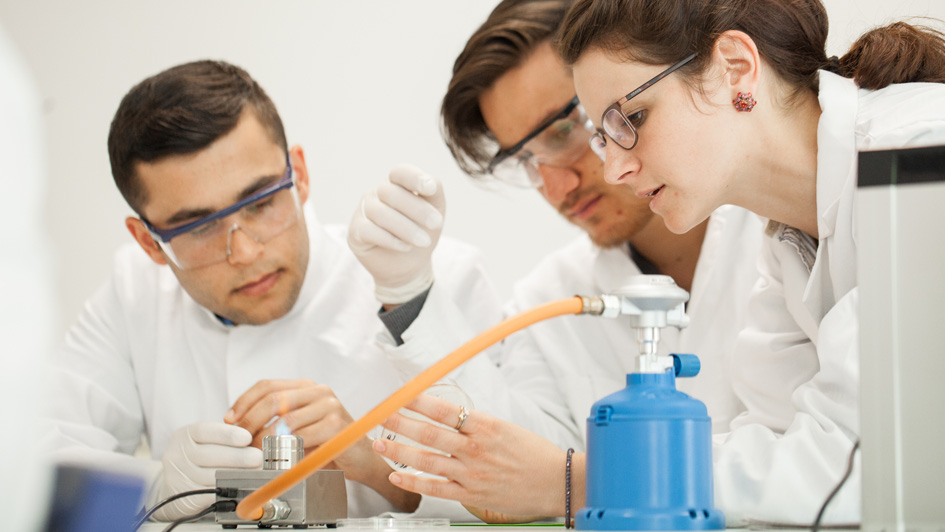
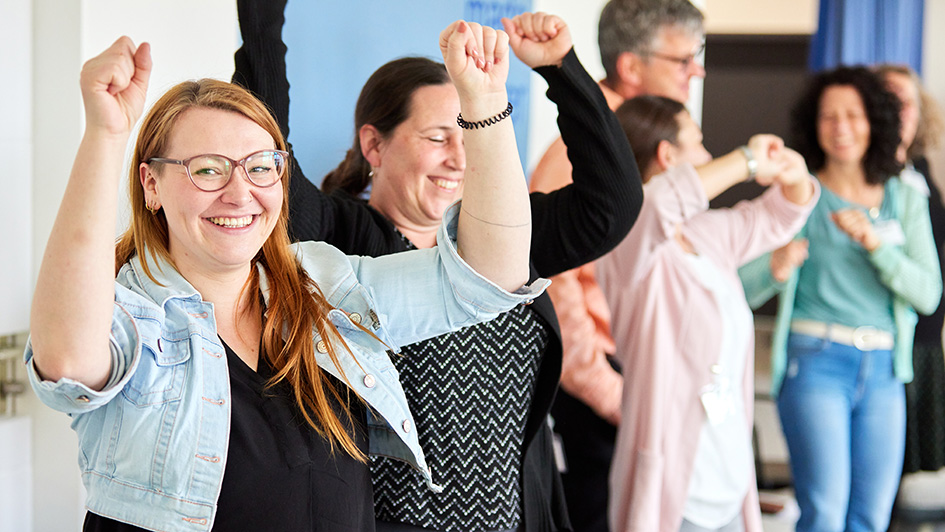
Since 2000, the national excellence network MINT-EC has focused on supporting lighthouse schools in their development into STEM talent nurseries. The MINT-EC network schools offer a wide range of activities for students, teachers and school administrators – from multi-day research events in cooperation with educational institutions, teachers training and school development training to competitions and an alumni network for former MINT-EC students. Access to the MINT-EC network is made possible through a unique nationwide selection process that examines the quality and quantity of STEM programs offered by schools and sets the highest standards.
MINT-EC is sponsored by the employers’ association “Gesamtmetall” as part of the “think ING. initiative”, the Bavarian business associations – vbw and bayme vbm – and the Siemens Stiftung. It has been under the patronage of the German “Standing Conference of the Ministers of Education and Cultural Affairs” (KMK) since 2009.
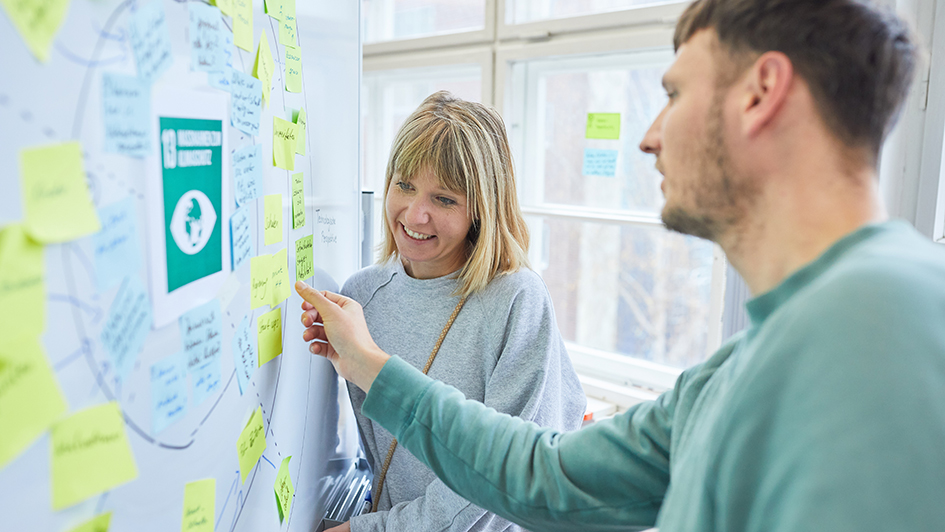
In addition to our many years of financial support, we also contribute with workshops and training courses on topics such as inquiry-based learning, Design Thinking in STEM and Service-Learning to strengthen the focus on the social relevance of STEM subjects. After all, if you want to play a positive role in shaping society, you not only need knowledge, but also values, creativity and team spirit.
Siemens Stiftung is represented on the association’s board by Angela Clerc who is also project manager for our working area Education.
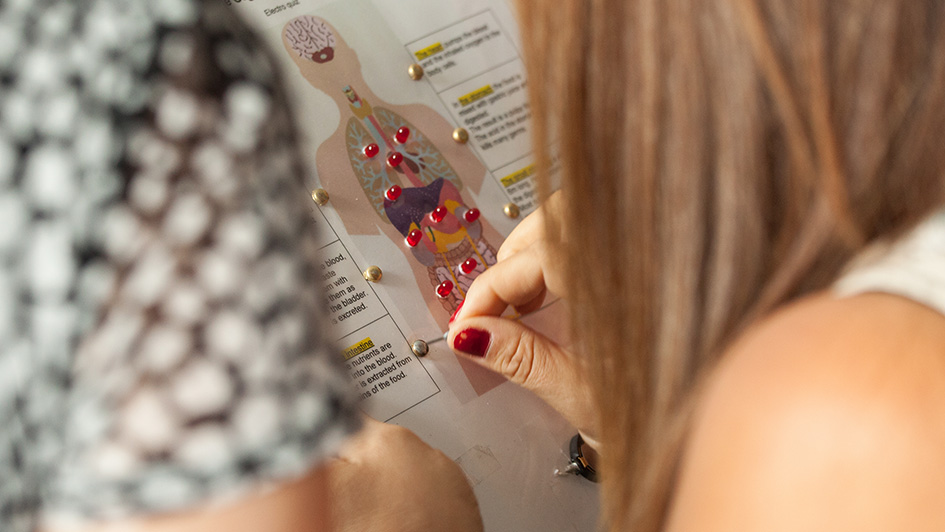
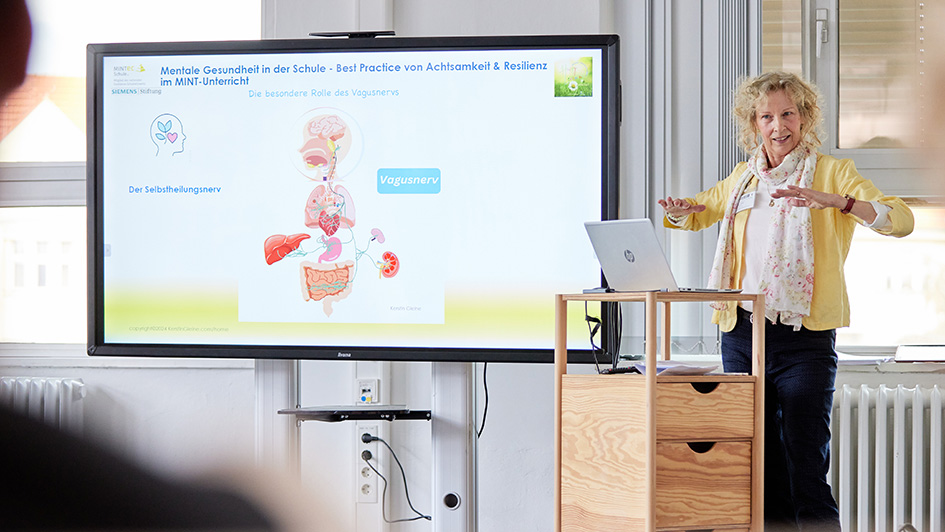
Since 2024, together with MINT-EC, we have been bringing together teachers who want to strengthen the integration of health as a cross-cutting topic in schools and classroom teaching. Over the past two years, the MINT-EC Health Cluster has grown into an expanding network that connects STEM education, health, and school development.
At the heart of the cluster is a broader understanding of health that combines physical, mental, and social well-being. The cluster serves as a space for collegial exchange, professional input from research and practice, and the development of concrete approaches for integrating health promotion into everyday school life through a STEMplus approach across subjects.
Regular in-person meetings have taken place both at MINT-EC schools – such as Anne-Frank-Gymnasium in Werne and Modellschule Obersberg in Bad Hersfeld – and at the Siemens Stiftung STEMplus in Berlin-Spandau.
The cluster addresses current challenges and practical opportunities related to health in schools.
A particular focus lies on the development of practical teaching materials, which are expected to be published in a MINT-EC publication series in 2027.
The cluster thrives on exchange with initiatives, experts, and practice partners from schools, counseling, and academia. These include collaborations with Dare2Care, Kopfsachen e.V., and the LMU information portal ichbinalle@schule. Professional input is provided by experts such as Dr. Jochen Müller, Dr. Jule Hildmann, Dr. Annika Schramm, Lucia Iglhaut, Lukas Lamoller, and Franziska Eckerskorn.
Project Manager MINT-EC
Angela Clerc
angela.clerc@siemens-stiftung.org
+49 89 540487 303
Contact person for the health topic cluster
Ursula Gentili
ursula.gentili@siemens-stiftung.org
+49 163 393 77 29
Managing Director MINT-EC
Dr. Niki Sarantidou
sarantidou@mint-ec.de
+49 1590 1653386


Our newsletter keeps you informed about our work in the action areas of Essential Services, Digitality, and Climate.
Every two to three months, you’ll receive updates on important topics, projects, calls for proposals, training opportunities, and events.
Our newsletter keeps you informed about our work in the areas of primary care, digitalization, and climate.
Every two to three months, you’ll receive updates on important topics, projects, calls for proposals, training opportunities, and events.