Water and climate resilience: Turning shared challenges into action
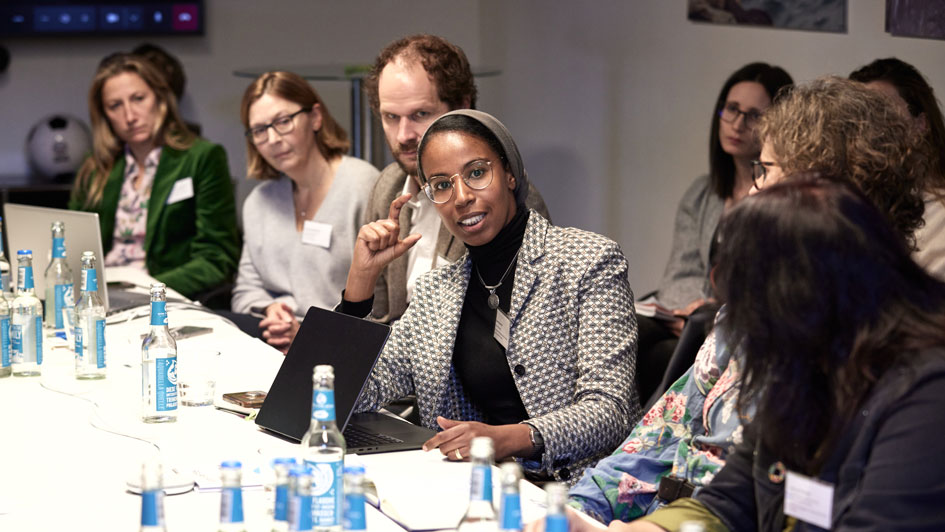
Roundtable on Water and Climate Resilience during the First Munich Climate Week
© Siemens Stiftung
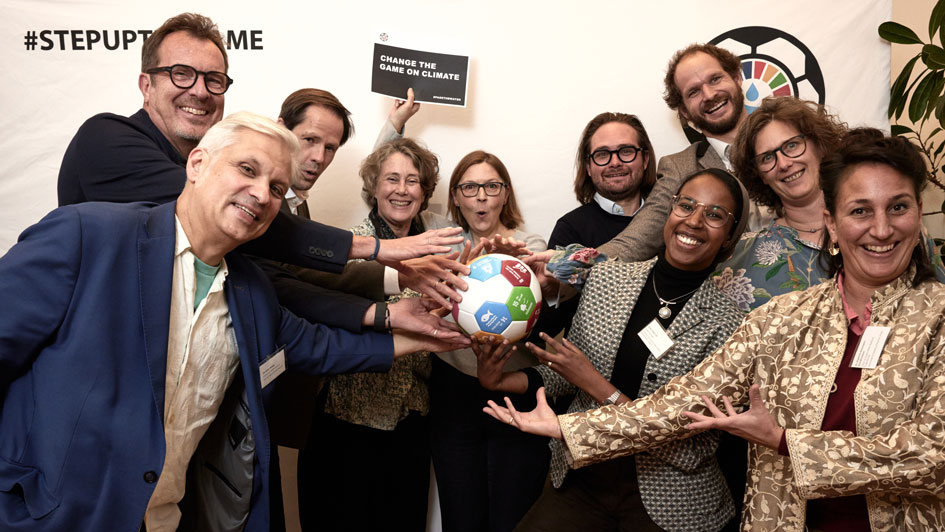
How can water strengthen the climate resilience of communities? On October 19, 2026, Siemens Stiftung, Viva con Agua, and the German WASH Network brought together representatives from policy, business, academia, philanthropy, and civil society at Siemens Stiftung in Munich. Part of the first Munich Climate Week, the stakeholder dialogue connected practical experiences with policy perspectives and identified shared priorities for action.
Water connects climate adaptation, food security, health, and livelihoods. Yet its importance is still insufficiently reflected in climate policy and financing. Participants explored how cooperation across sectors can help close this gap and strengthen the capacity of communities to respond to growing climate pressures.
“As climate change intensifies pressure on resources, connecting water, food and soil security is essential to building resilience and strengthening international cooperation,” said Dr. Andreas Schaumayer of the German Federal Ministry for Economic Cooperation and Development (BMZ).
Combining technology with local capacity
Experiences from East Africa illustrated how droughts, unpredictable rainfall, and flooding affect water services and daily life. Reliable and affordable access to water provides a foundation for resilience. Maintaining it requires infrastructure alongside the skills, resources, and partnerships that enable local actors to adapt.
“Innovation is not about technology alone,” emphasized Christine Meinhardt, Water Sector Lead of Siemens Stiftung. She highlighted the importance of empowering local social enterprises, water utilities, and communities to manage water services sustainably and develop solutions suited to local conditions.
“Wastewater is a resource,” said Prof. Dr.-Ing. Jörg E. Drewes of the Technical University of Munich. Water reuse and the recovery of nutrients and energy offer opportunities to reduce pressure on freshwater supplies. Participants stressed that many technological solutions already exist; stronger cooperation is needed to put them into practice.
Connecting local action with global priorities
Trust, participation, and collaboration emerged as equally essential. Christian Wiebe of Viva con Agua highlighted the importance of strengthening communities so they can prepare, adapt, and recover together. Listening to local knowledge and involving those most affected by climate impacts are central to this effort.
“Water is taken more seriously, but this has not translated into climate funding,” noted Hannah Neumeyer of the German WASH Network, calling for stronger links between water, sanitation, and climate finance.
The round table demonstrated a shared understanding that water is not merely one sector among many, but a foundational enabler of climate resilience, sustainable development, social stability, and human well-being. Across all perspectives, participants agreed that water connects climate adaptation, food security, health, economic opportunity, environmental sustainability, and peace.
Building climate-resilient communities will require a shift from fragmented approaches toward integrated, systems-based solutions that combine technology, finance, governance, local capacity, and social participation. Resilient water systems depend as much on people, institutions, and partnerships as on infrastructure.
The dialogue further underscored that future progress depends on stronger cross-sector collaboration, greater recognition of water within climate finance and policy frameworks, and more support for locally driven innovation. Water should therefore be positioned as a strategic priority in climate action and global decision-making, recognizing its unique role as both a foundation for resilience and a stabilizing force for communities and societies facing increasing climate uncertainty. And even more as our main essential need and basis for a healthy planet.
Looking ahead to the UN Water Conference in December 2026, participants were encouraged to contribute to the Stakeholder Declaration being developed through a global consultation process, bringing practical perspectives into the international water agenda.