

Project closed | Project period: 2013–2023
empowering people. Network
Global Social Entrepreneurship Network
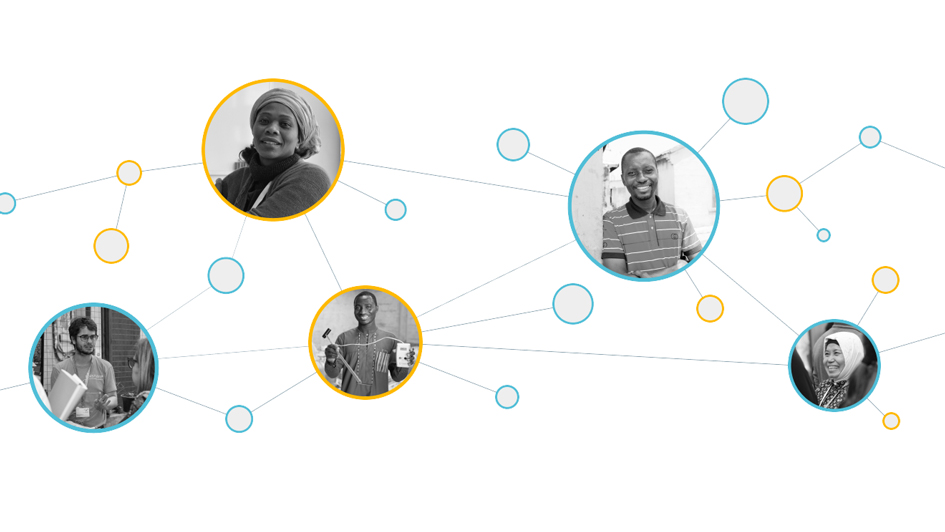
The empowering people. Network (2013–2024) was a global initiative by Siemens Stiftung that brought together over 80 social enterprises worldwide. It focused on low-tech solutions for basic needs that improve access to essential services in developing and emerging regions while creating jobs and income opportunities.
The program was completed in 2024. The insights, partnerships, and proven support approaches continue to inform current programs of Siemens Stiftung – particularly the Social Innovation Hub and the Academy for Impact, a learning platform offering free, practice-oriented online courses for social entrepreneurs and changemakers.
Network Technology and entrepreneurship for sustainable development
Over the years, the empowering people. Network evolved into a global platform for collaboration and knowledge exchange among impact-driven organizations. It connected innovators, social enterprises, and organizations developing and scaling technologies for basic needs aligned with the Sustainable Development Goals (SDGs).
Key offerings included:
- Individual mentoring and expert support A curated database of proven low-tech solutions
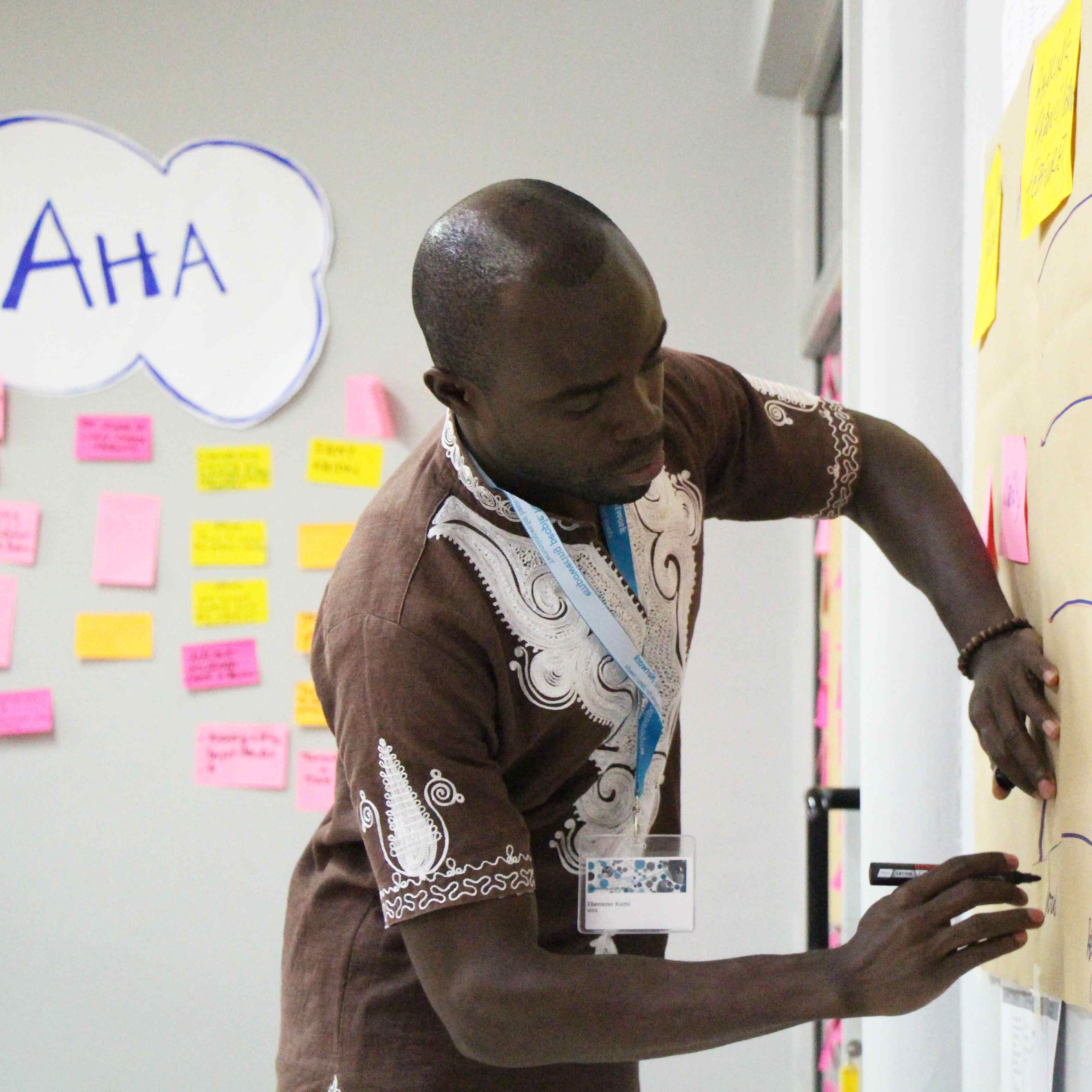
- Workshops, trainings, and international exchange formats
- Individual mentoring and expert support
- Targeted networking with stakeholders from development cooperation, business, and civil society
Thematic focus areas
The network focused on sectors critical to poverty reduction and sustainable development:
- E-mobility
- sustainable energy
- Water & sanitation
- Circular economy
- Health
- Food security
Through knowledge sharing and collaboration, the empowering people. Network contributed to scaling social innovations and creating long-term economic opportunities for underserved communities.
The network in retrospect
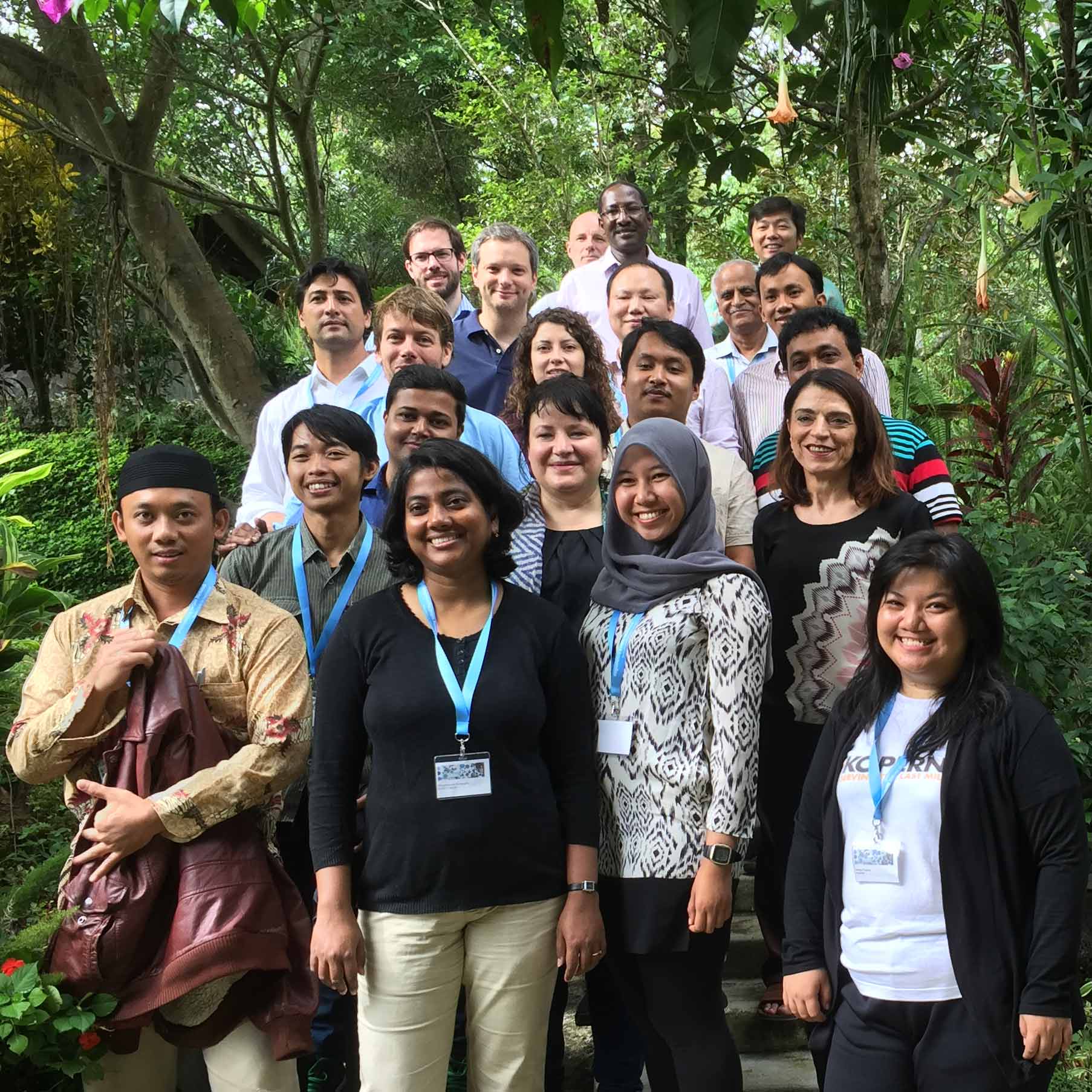
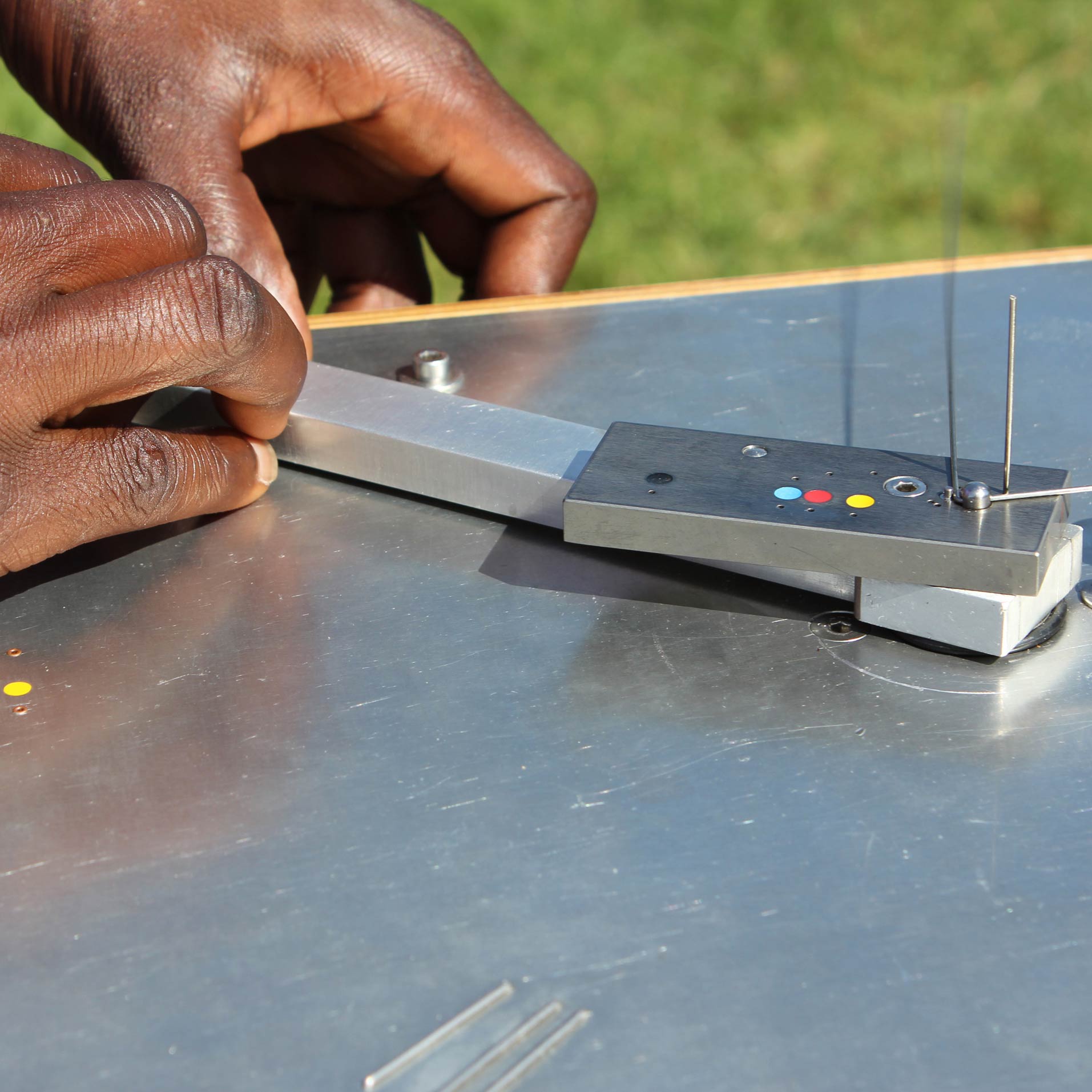
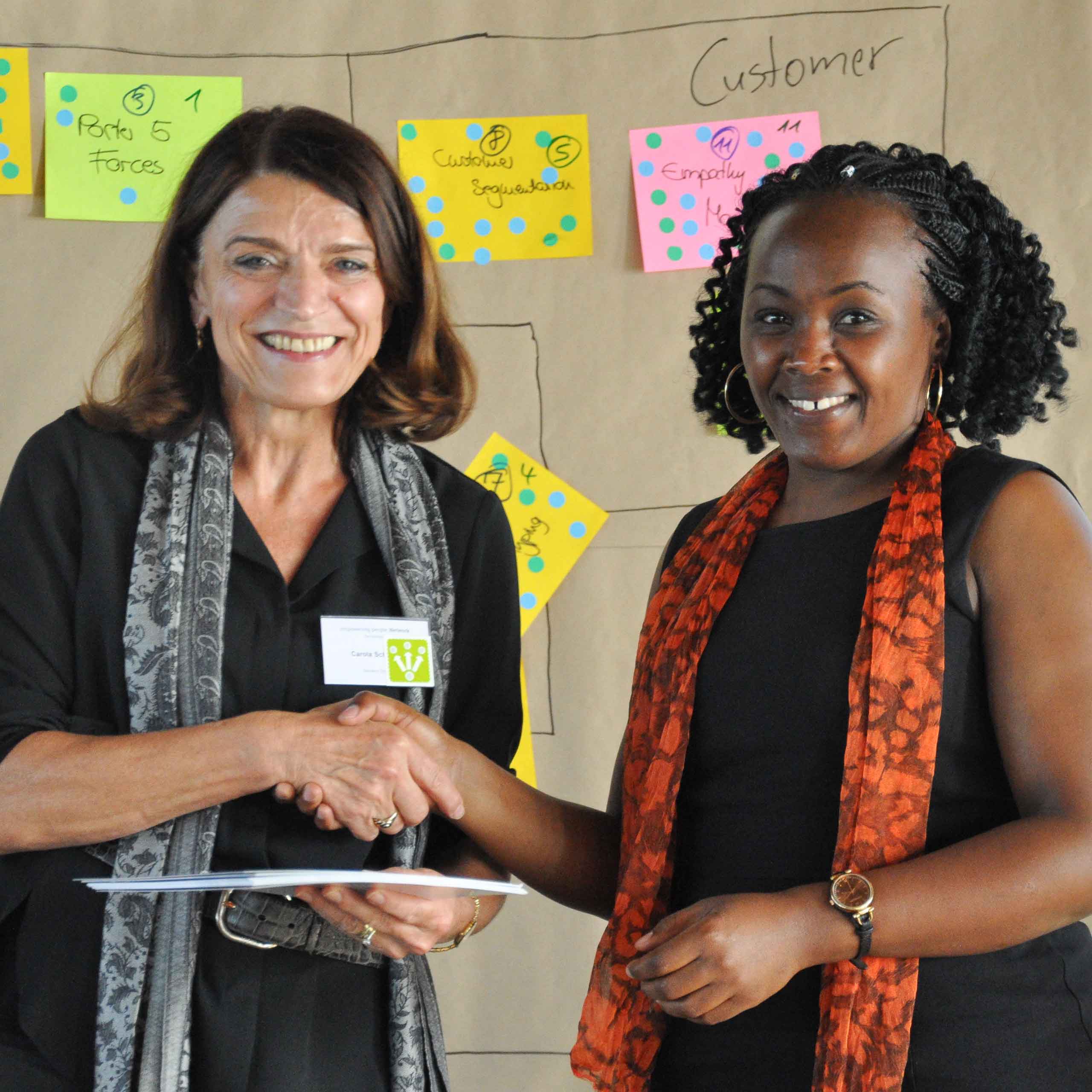
Awardempowering people. Award – A launchpad for social entrepreneurs
Lorem ipsum dolor sit amet, consectetur adipiscing elit. Ut elit tellus, luctus nec ullamcorper mattis, pulvinar dapibus leo.
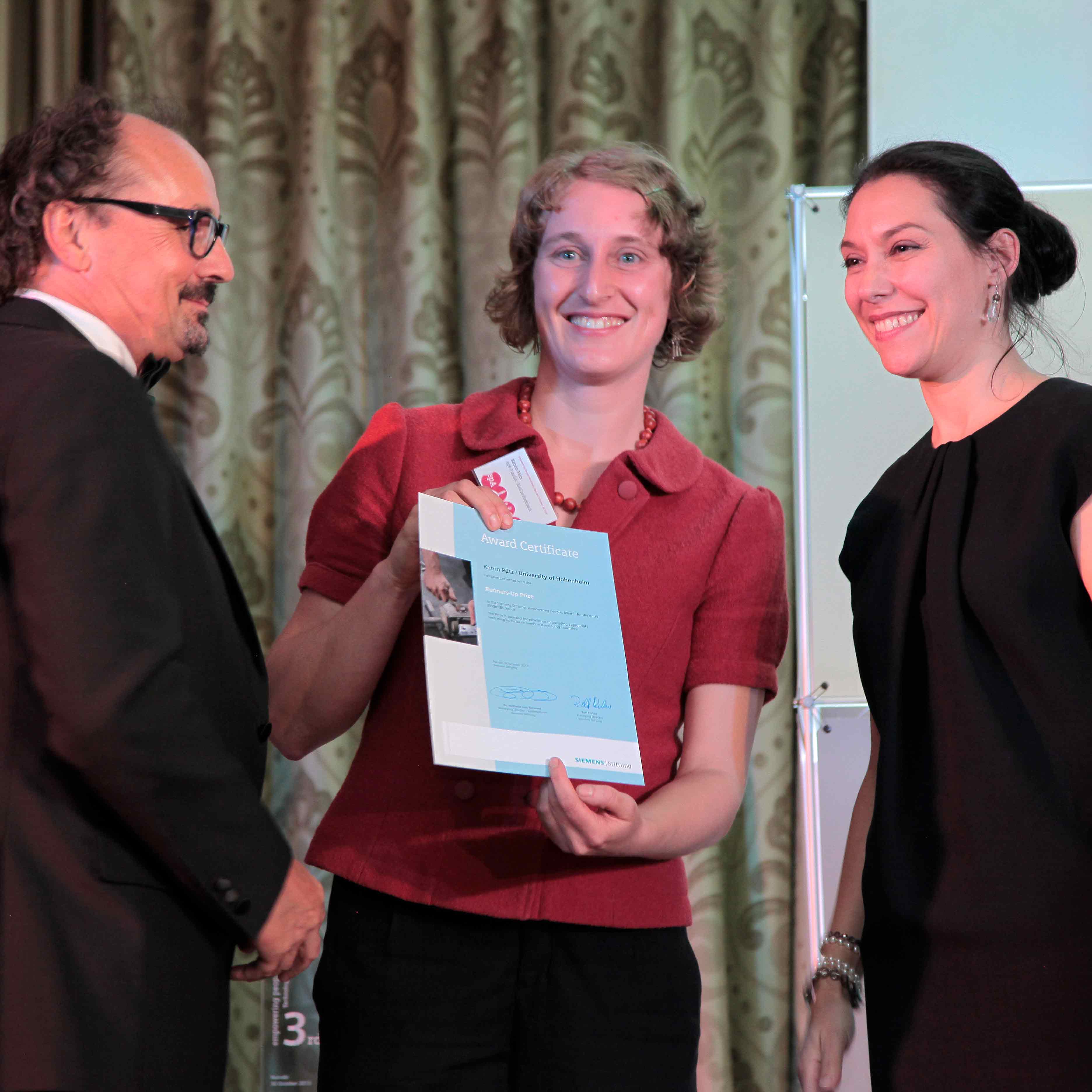
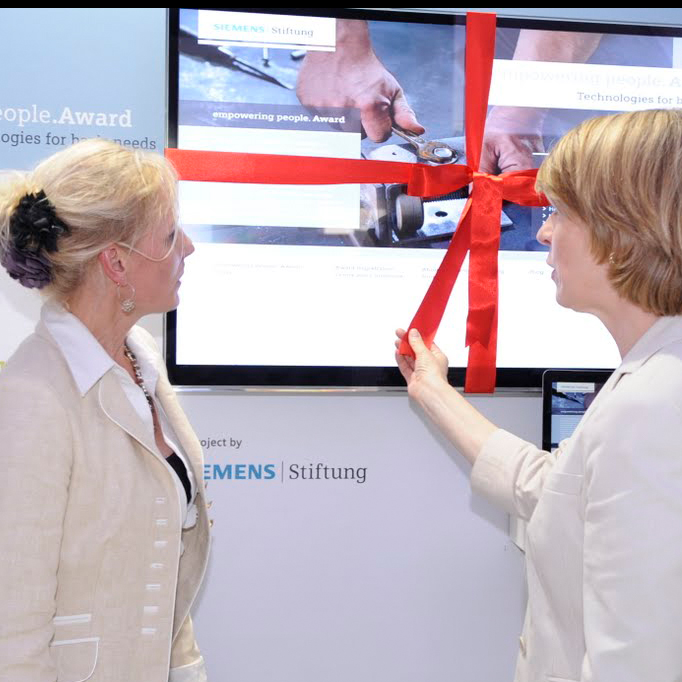
The empowering people. Award was a key component of the empowering people. Network and an international platform to identify and scale innovative technologies for basic needs, particularly in energy, education, health, water, and mobility.
- More than 2,400 projects
- From over 90 countries
were submitted.
All applications underwent a structured evaluation by an expert panel. Finalists presented their solutions to an interdisciplinary jury from business, academia, and development cooperation.
In addition to prize money of up to €50,000, winners gained access to the empowering people. Network and benefited from mentoring, training, and expert support.
Winners 2013
Winner 2016
Winner 2019
PartnersStrong collaboration in development cooperation
The impact of an international network is built through collaboration. The empowering people. Network worked with renowned partners in development cooperation, co-developing programs, sharing knowledge, and creating access to networks and expert communities.
Solutions and social enterprises from the network
The following social enterprises and solutions were part of the empowering people. Network. Many of these solutions remain in use worldwide and are frequently cited examples of successful technologies for basic needs.
M-Lumi stellt zuverlässige, benutzerfreundliche und vielseitige Beleuchtungslösungen her. Die Produkte werden in Deutschland unter Verwendung hochwertiger Komponenten entwickelt und hergestellt, um die Zuverlässigkeit in verschiedenen Situationen wie Segeln, Angeln, Camping, Bergsteigen und Notfällen zu gewährleisten.
M-Lumi produces reliable, user-friendly, and versatile lighting solutions. Their products are designed and manufactured in Germany using high-quality components, ensuring dependability in various situations, including sailing, fishing, camping, mountaineering, and emergencies. The A-Light S is a particularly powerful and durable solar lamp for countries of the global south. It serves not only for room illumination but supplies power to radios and cell phones as well.
Contact: Ambros Huber, Executive Director | ambros.huber@m-lumi.com
Whave’s Solution service provides 24/7 clean drinking water supply to over 1.000 communies in Uganda. Whave collaborates with the Ugandan government to ensure consistent access to safe water. They focus on maintaining handpumps, which often experience downtimes in Africa, through a preventive maintenance service. This service aims to be affordable and reliable, ensuring communities have access to safe water all day, every day.
Contact: Adam Harvey, Founder | adam.harvey@whave.org
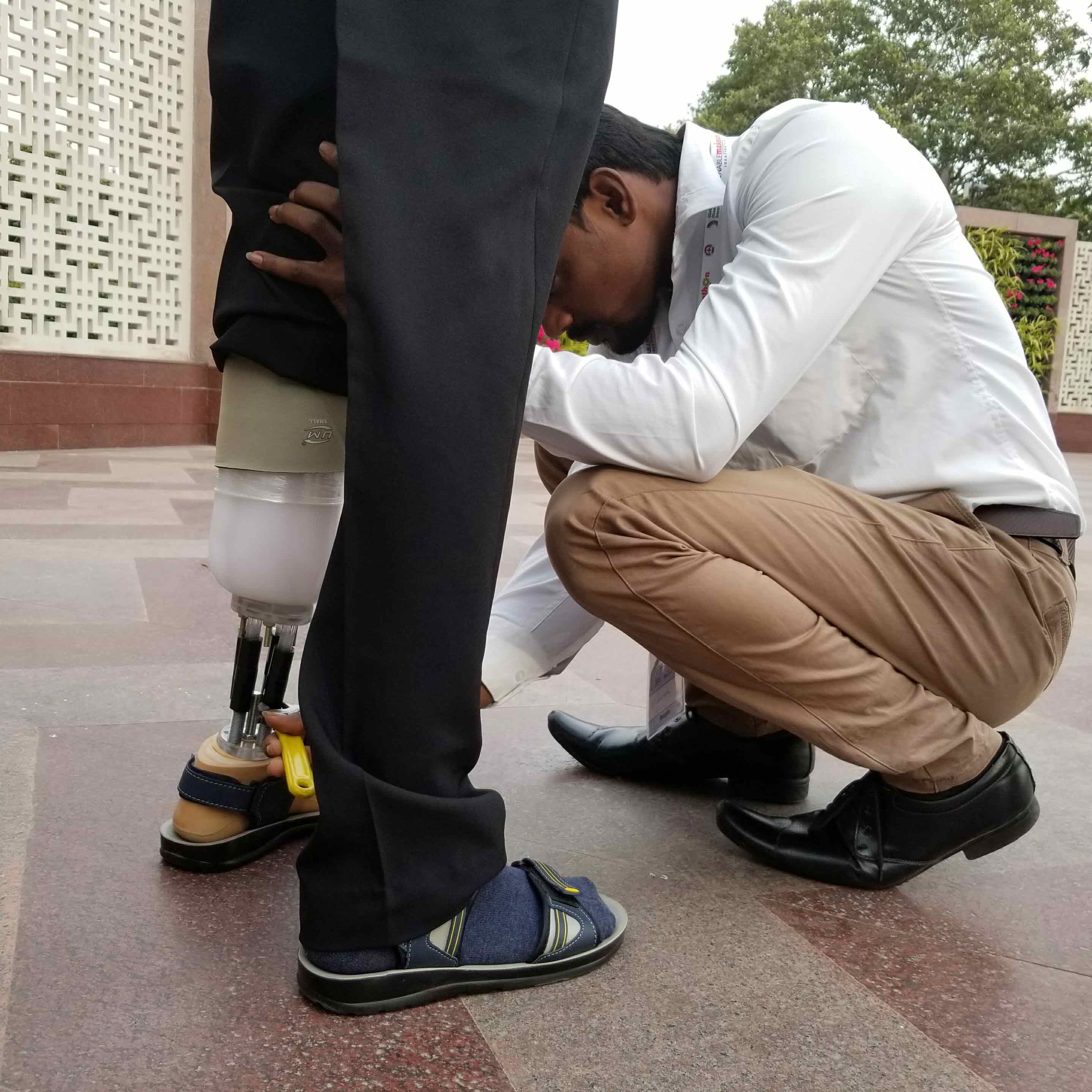
Nonspec has developed an innovative and adjustable prosthetic system that aims to provide affordable and adaptable solutions for people with amputations worldwide. The system is characterized by its flexibility, as it can be adapted to the individual needs of the user both in clinical environments and on the move. Particularly noteworthy are the nine degrees of freedom the system offers to make gait adjustments without replacing parts or components. Nonspec attaches great importance to durability by designing the prosthesis system for a service life of at least four years.
Contact: Erin Keaney, COO | erin.keaney@nonspec.org
Kwangu Kwako is a construction company based in Nairobi, Kenya, specializing in affordable precast housing solutions. They design, build, and project manage single rooms, bedsitters, one-bedroom houses, and community structures, using their manufactured Concrete SpaceSaving Panels and Interlocking Hollow Blocks. They also supply these building materials. They offer a cost estimator and flexible payment options, including installments and loans from finance partners.
Contact: Simon Dixon, Co-Founder and Director | simon.dixon@kwangukwako.com
Mobile Agricultural Power Solutions, in short MAPS, is a company that empowers farmers to be more efficient in producing and transporting their goods. The MAPS AgRover is their solution to the power and transportation challenges of small-holder farmers in countries of the global south. It is designed to be affordable, maintainable, and repairable on-site. The company manufactures the vehicles locally, creating jobs in engineering, assembly, and facility maintenance.
Contact: David Wilson, Managing Director | wilson@mobileagpower.com
AIDFI (Approtech for Integrated Development of the Philippines, Inc.) is an organization focused on providing access to water in the Philippines. They have served over 602 villages and delivered over 54 billion liters of water, impacting more than 303,000 people. AIDFI emphasizes a design philosophy of simplification, aiming to create solutions that are as streamlined and efficient as possible. They also host water associations. The AIDFI Ram Pump is available in ten different sizes, each with a specific flow range, making it suitable for both drinking water and irrigation projects. One of its unique features is the use of a door hinge for the waste valve, creating a steel-to-steel seal that eliminates the need for gaskets and improves durability and efficiency.
Contact: Auke Idzenga, CEO & Co-founder | auke.idzenga@aidfi.org
BEMPU is a company committed to developing high-quality products for babies worldwide. BEMPU focuses on creating solutions that address significant health challenges faced by newborns, potentially in resource-limited settings. Their solution ApneBoot is a wearable device designed to detect and resolve episodes of apnea and prolonged hypoxia in premature newborns. It aims to improve the standard of care for premature newborns in neonatal intensive care units, particularly in low- and middle-income countries, by offering a portable, robust, and affordable solution for apnea management
Contact: Ratul Narain, Founder | ratul@bempu.com
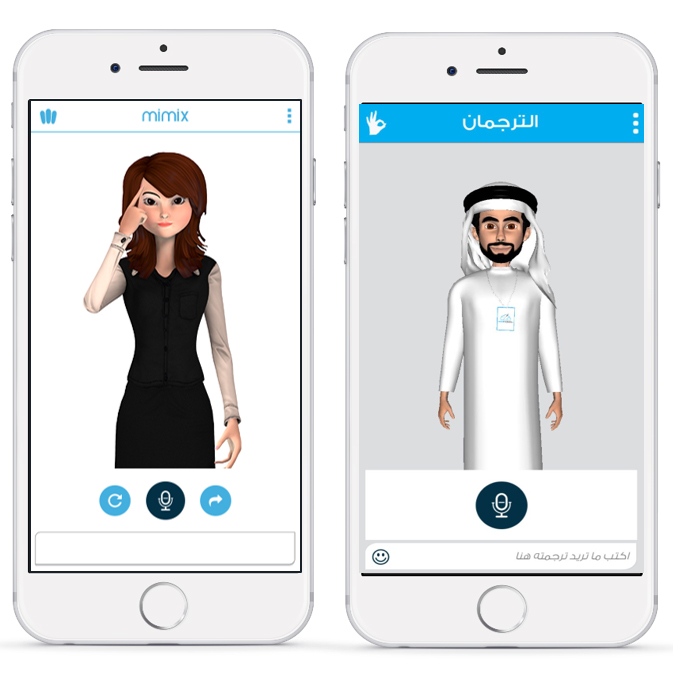
The Jordanian company Mind Rockets develops technologies to make digital content accessible for deaf people and people with hearing impairments. Their main product is a virtual avatar that translates text into sign language, making websites understandable for the deaf. In addition, they offer tools to improve accessibility for people with various impairments such as visual impairment or dyslexia. Mind Rockets works closely with people with disabilities when developing their solutions.
Contact: Mohammad Kilany, Chairman | mkilany@mindrocketsinc.com
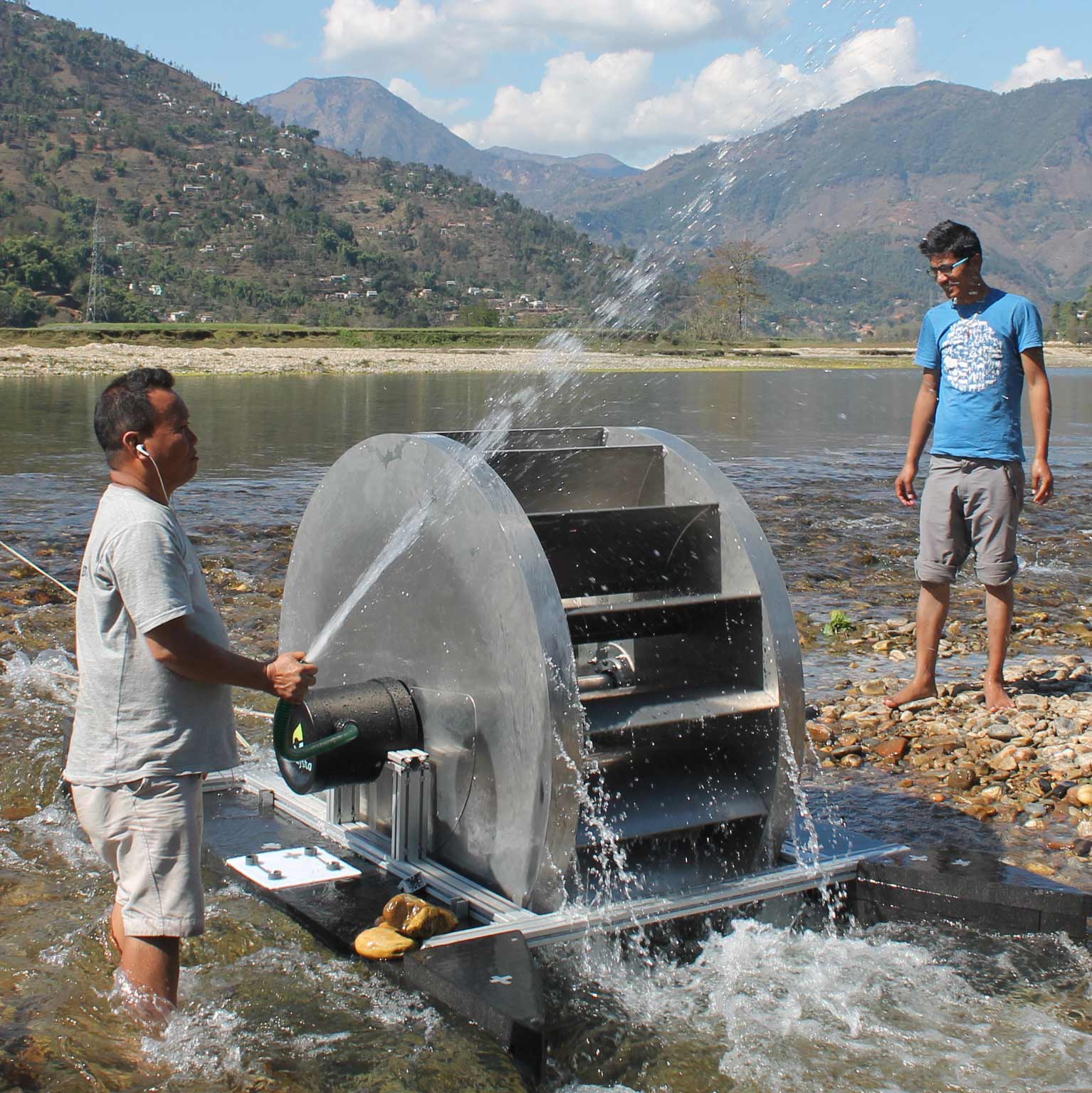
aQysta is a social enterprise dedicated to enhancing the livelihoods of smallholder farmers by providing sustainable farming solutions that adapt to changing climates and economies. Established in the Netherlands, aQysta now operates in countries like Nepal, Indonesia, Afghanistan, and Malawi. Their flagship solution, the Barsha Pump, is a hydro-powered irrigation system that uses the energy from flowing water to lift water to higher elevations for irrigation. This pump eliminates the need for fuel or electricity, reducing costs for farmers. It enables year-round irrigation, increases agricultural productivity, and helps smallholder farmers improve their livelihoods in regions with limited access to conventional energy sources.
Contact: Pratap Thapa, Co-founder and CEO | pratap@aqysta.com
WASHKING is a Ghanaian social enterprise focused on providing affordable and sustainable sanitation solutions to low-income and underserved communities. They utilize technology to offer safe and effective sanitation products and services. Their main product is biodigester toilets, which they have installed in over 800 households, benefiting over 1,700 families. These toilets not only improve household health and productivity and eliminate open defecation but also reduce water usage and carbon emissions by using local resources and on-site feces treatment. WASHKING also provides training in artisan and sales skills, creating job opportunities and boosting the local economy.
Contact: Dieudonne Kwame Agudah, CEO & Founder | washking.gh@gmail.com
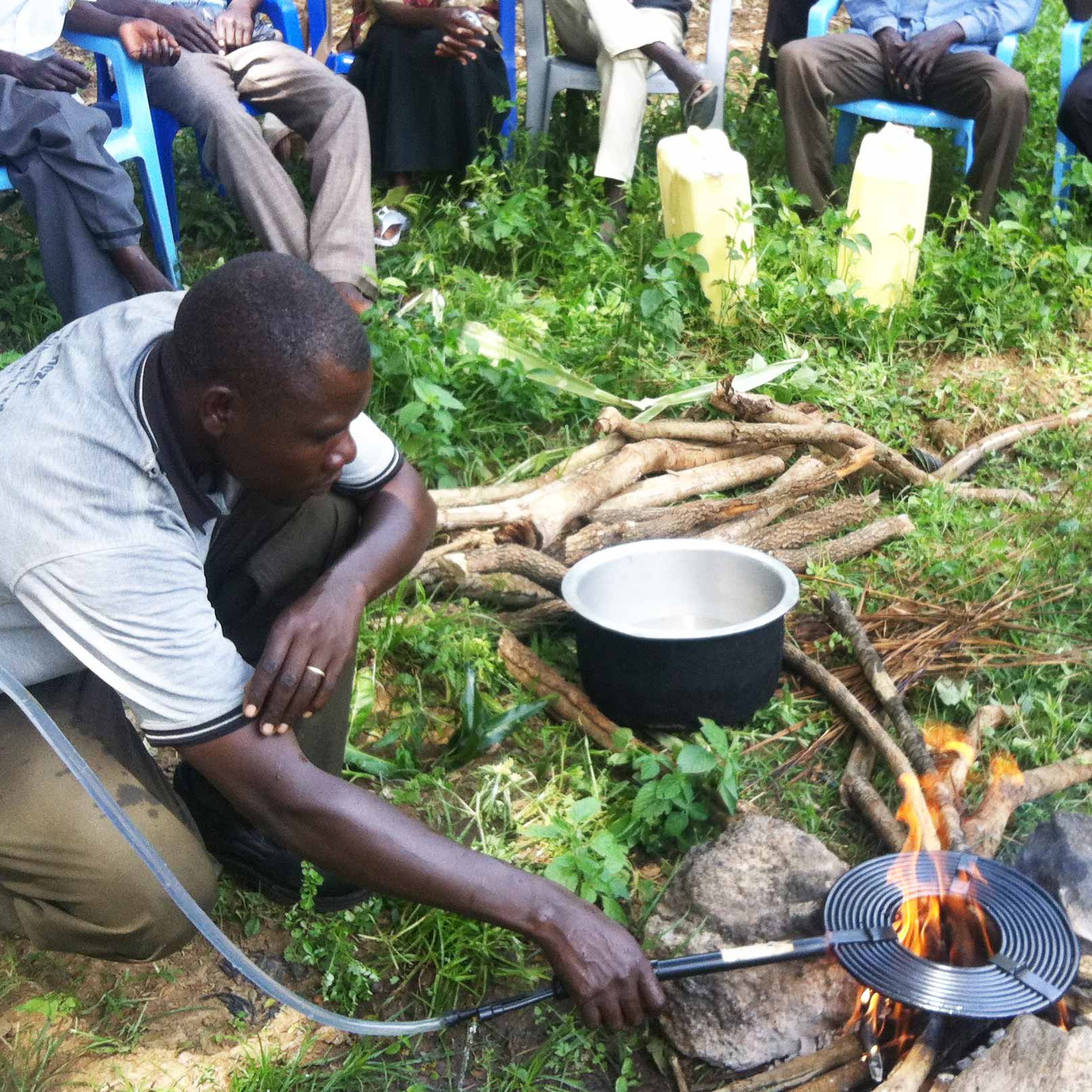
(b)energy is a German company that manufactures biogas digesters, backpacks, and stoves. They aim to provide energy and agricultural solutions to help people earn money, serving as a social business that leads by example rather than relying on foreign aid. Their biogas backpack is a portable biogas digester, allowing users to create biogas from organic waste on the go for cooking or other energy needs.
Contact: Katrin Pütz, Founder & CEO | info@be-nrg.com
BLUETOWN, founded in Denmark in 2012, develops solutions for affordable internet access in underserved areas worldwide. Their main solution consists of solar-powered base stations that create Wi-Fi hotspots with a range of up to one kilometer. These can be connected to the internet via various methods and provide a local cloud with free access to educational content. BLUETOWN trains local operators and works with global partners. The company is active in seven markets, with offices in Denmark, Ghana and India, and employs around 60 people worldwide.
Contact: Emil Damholt, Impact Manager | ed@bluetown.com
Café Compadre is a Peruvian social enterprise that supports marginalized coffee farmers by enabling them to increase their incomes and adopt sustainable practices. The company developed a solar-powered coffee roaster, allowing farmers to roast their beans locally and sell them at higher prices compared to unprocessed coffee. By managing the entire value chain – from roasting to packaging and sales – Café Compadre ensures farmers earn 40-70% more than traditional buyers pay. Their direct-to-consumer model and focus on sustainability also help combat deforestation and promote fair trade in Peru’s coffee industry.
Contact: Jose Uechi, CEO | pepe@compadre.pe
Bidhaa Sasa is a social enterprise operating in Kenya and Uganda that distributes essential goods, particularly clean cooking solutions (stoves, gas cookers, electric pressure cookers), water tanks, and agricultural tools. Their unique solution involves empowering women as distributors within their communities, offering these goods on flexible payment plans (using mobile money) without requiring collateral. This approach overcomes access and affordability barriers for rural populations. They also focus on climate adaptation and developing carbon emission reduction projects.
Contact: Rocio Perez Ochoa | rocio.perez-ochoa@bidhaa.co.uk
The Desert Greenhouse by the Xinjiang Shawan Oasis Sustainable Development Institute (XSOSDI) is an innovative solution that converts desert land into arable land for growing vegetables and fruits. It utilizes readily available and inexpensive desert resources like sand to construct greenhouses, making organic cultivation possible. This addresses the increasing problem of desertification, which reduces agricultural land and negatively impacts low-income communities. A typical Desert Greenhouse can produce approximately 7,000 kg of eggplant annually and can provide enough vegetables for 38 adults daily. The Desert Greenhouse is aimed at farmers and investors in desert regions.
Contact: Gang Chen, Executive Director | gang_chen_his@163.com
AGUAECOSANPERU offers ecological sanitation solutions, primarily portable dry toilets, for communities lacking access to water and sanitation services, particularly in rural and peri-urban Peru. Their waterless toilets use drying materials instead of water or chemicals. The organization’s focus is marketing these eco-toilets to national projects and providing technical training. Their solution aims to promote sustainable sanitation, especially in disaster relief and temporary settings, and has been adopted as a public policy in Peru, with government investment in dry ecological bathrooms in rural areas.
Contact: Juan Carlos Calizaya Luna, General Manager | jcalizaya@aguaecosanperu.com
Operation ASHA is an organization dedicated to eradicating tuberculosis (TB) globally. They aim to combat the massive impact of TB, which they highlight as a major global health and economic crisis. Their solution involves a multi-pronged approach: empowering communities to link with government resources and manage their own care, utilizing mHealth technology (mobile health) for semi-literate and illiterate patients and workers, and advocating with governments to improve TB program support.
Contact: Shruti Ahuja, Deputy Director, Finance, Donor Relations & Communications | shruti.ahuja@opasha.org
ThinkBikes is a Nigerian e-mobility company accelerating green transportation in Africa by manufacturing and distributing electric cargo bikes. They target micro and small businesses, particularly farmers, offering solutions for last-mile transportation of goods in both urban and rural areas. They offer flexible options, including direct sales, ride-sharing, and “Pay As You Go” leases through a mobile app. Their bikes are designed to be robust and affordable, aiming to improve the economy, reduce food waste, and promote health and sustainability.
Contact: Tolulope Olukokun, CEO | thinkbikesng@gmail.com
Sunken Limited is a Kenyan company dedicated to economic and social development by providing green energy solutions to small-scale farmers, communities, and commercial projects. They partner with institutions in Kenya to offer integrated services and innovative business solutions. Their Energy Saving Cookstove is a sustainable solution that reduces smoke emissions and fuel consumption, improving health outcomes and environmental impact. Locally produced in Kakuma, it utilizes available materials and has been recognized for its efficiency. The stove has created jobs and contributed to economic development while distributing thousands of units to improve cooking practices in the region.
Contact: Christine Atego, CEO | christine@sunkenlimited.com
Enviro Options is a sanitation company offering innovative alternatives to traditional water-borne toilets and unsafe pit latrines. Their flagship product, the Enviro Loo, is a waterless toilet system that operates without the need for water, chemicals, or electricity. It utilizes natural biological processes – dehydration and evaporation – assisted by wind and solar energy to treat waste, resulting in a hygienic and environmentally friendly solution. The Enviro Loo system is designed for diverse applications, ranging from private homes and schools to hotels and larger community installations. Its benefits include water conservation, as it eliminates water usage for flushing, low maintenance requirements and a lifespan exceeding 50 years.
Contact: Mark La Trobe, COO | mark.latrobe@enviro-loo.com
Fenik addresses the problem of food spoilage in off-grid, rural areas with its Yuma 60L, an electricity-free mobile refrigeration unit. Utilizing evaporative cooling, it extends the shelf life of produce from days to weeks, comparable to a Zeer Pot but with improved design and durability. This low-cost solution targets low-income consumers, NGOs, and government projects to reduce post-harvest losses, improve income for farmers, and enhance food security. They also plan to develop solar-powered refrigeration units.
Contact: Quang D. Truong, CEO | quang@fenik.io
Sesi Technologies, based in Ghana, develops and manufactures technologies to enable African farmers and agribusinesses to maximize their productivity, reduce losses and increase their income. They offer a comprehensive range of post-harvest technologies, mechanization services and technologies and solutions to measure moisture content, reduce post-harvest losses and increase productivity. GrainMate is a cost-effective, easy-to-use grain moisture meter that allows farmers to determine if their grain is dry enough for harvest, storage or sale, reducing post-harvest losses and potentially increasing revenue.
Contact: Isaac Sesi, Founder & CEO | isaac@sesitechnologies.com
The HippoRoller is an innovative water transportation device designed to ease the burden of water collection in communities lacking adequate infrastructure. It allows users to transport up to 90 liters of water by rolling it along the ground, significantly reducing the physical strain associated with carrying heavy loads. Since its inception in 1991, over 65,000 Hippo Rollers have been distributed across 56 countries, benefiting approximately 650,000 individuals and facilitating the transportation of 2 billion liters of water annually. This simple yet effective solution has improved access to water, enhanced hygiene practices, and contributed to the overall well-being of countless communities worldwide.
Contact: Grant Gibbs, Founder & Executive Director | grant.gibbs@hipporoller.org
Invi is a social enterprise dedicated to preventing sexual violence globally. Their primary solution is the Invi Self-defense Bracelet, an innovative, non-violent personal safety device. When activated, the bracelet releases a strong, unpleasant odor that can repel attackers, disrupt assault attempts, and alert nearby people. The scent is detectable up to 100 meters away and has been scientifically proven to negatively impact sexual arousal.
Contact: Roel van der Kamp, Director | Roel@invi.world
Livox is a Brazilian company that specializes in the development of technologies to support communication for people with disabilities. Its main product, the Livox app, enables people with speech and motor impairments to communicate effectively and without barriers. The app uses artificial intelligence to adapt to the individual needs of users. It offers features such as predictive text, icons and speech synthesis to facilitate interaction. Through these innovative technologies, Livox promotes social inclusion and improves the quality of life of people with disabilities.
Contact: Carlos Pereira, CEO and Founder | carlos@livox.com.br
Mace Foods Ltd is a Kenyan social agri-business enterprise that specializes in producing and selling high-quality dehydrated and dried spices, leafy vegetables, chili products and herbs. Their technique ensures longer shelf life and enhanced market access for both local and international consumers. The company works with over 2,500 small-scale farmers, aiming to improve their income and livelihoods by providing training in production techniques and post-harvest handling. Mace Foods has achieved several certifications and memberships, including being Fairtrade certified by the World Fair Trade Organization and a member of the Kenya Association of Manufacturers.
Contact: Margaret Komen, CEO & Founder | margaret@macefoods.com
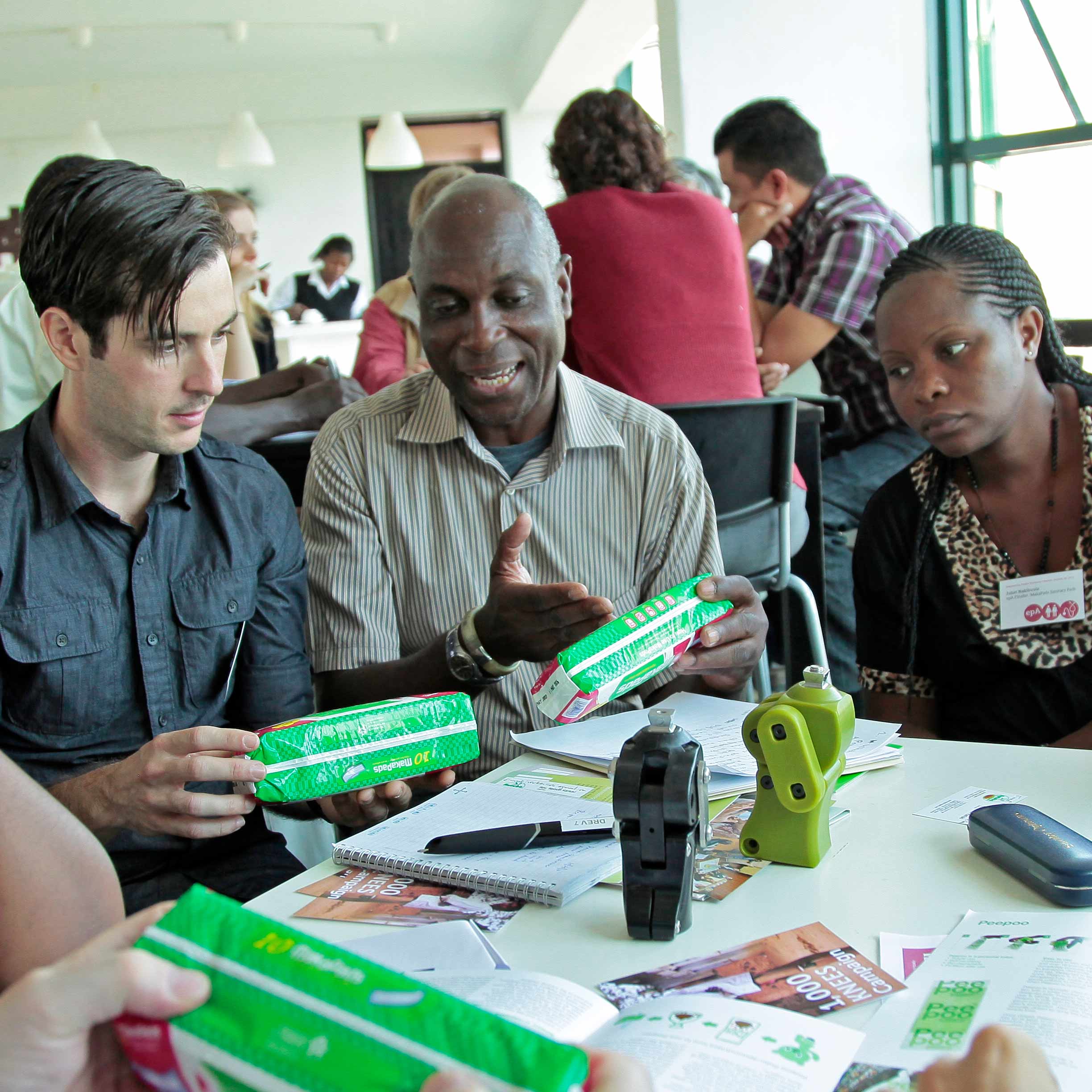
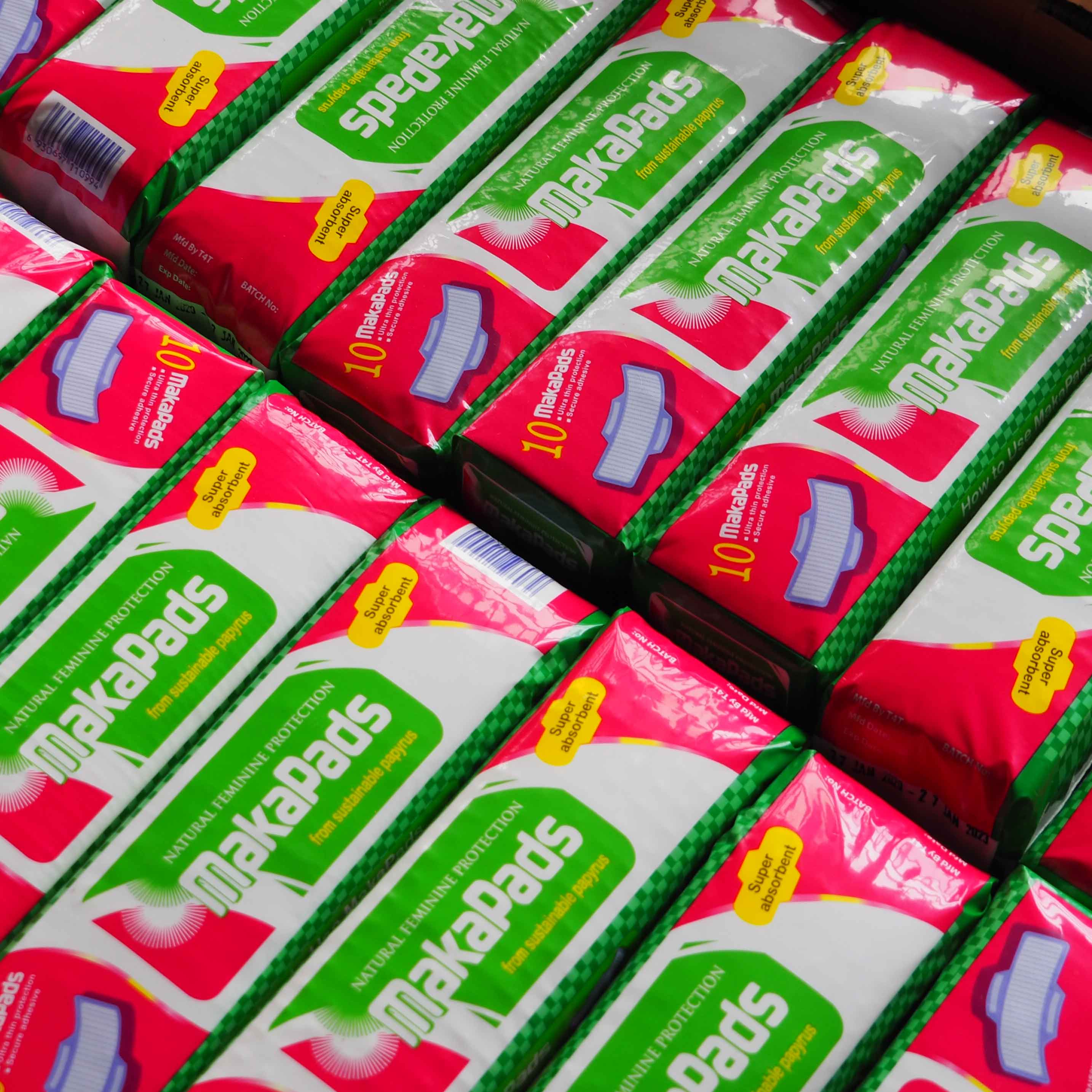
Technology for Tomorrow (T4T) is an enterprise dedicated to creating and utilizing appropriate, affordable, and locally sourced technologies to address global challenges, particularly in countries of the global south. Their MakaPads are biodegradable sanitary pads developed in Uganda to address menstrual hygiene challenges and improve girls’ education. They are made from locally sourced materials (papyrus reeds and recycled paper) and chemical-free. With MakaPads, T4T aims to reduce school absenteeism among girls during menstruation, promote sustainable menstrual hygiene management, and create local employment opportunities.
Contact: Mirembe Nnassuuna, Board Member and Director | nasumir@yahoo.com
Estudio G&D is an Argentinian company that provides innovative technological solutions for the agricultural sector, focusing on environmental care and sustainability. They develop and offer drone technology for more detailed information and variable-rate application in precision agriculture. They aim to transform traditional agricultural practices using technology. The technique Mapping Water Layers with Georadar uses Ground Penetrating Radar (GPR) to help farmers detect underground water layers. This non-invasive method provides precise subsoil information, enabling better water resource management and improving agricultural planning in regions with limited water access.
Contact: Mariano Delbuono, Director | mdelbuono@estudiogyd.com.ar
MellowCabs is a South African company specializing in manufacturing electric three-wheeled delivery vehicles for last-mile logistics. Their solution provides emission-free, cost-efficient deliveries, with operational costs under $1 per day, a range of over 100 km, and 2.4 cubic meters of cargo space. The vehicles feature IoT functionality, bespoke options like cold-chain capabilities, and can also serve as platforms for urban advertising. MellowVans are designed to address the growing demand for e-commerce and home deliveries while promoting sustainability in urban areas.
Contact: Neil du Preez, Founder | neil@mellowcabs.com
ARED is an AI-powered distributed infrastructure-as-a-service company focused on bridging the digital infrastructure gap in emerging markets. By integrating storage, compute, networking, and virtualization into a unified system using edge gateways, ARED enhances performance, scalability, and simplicity for various applications. Their solar kiosk provides a platform and a mini server to facilitate access to phone charging and digital applications for low-income people in Africa. The mini server can store digital applications locally and distributed via WIFI and is built into the solar kiosk platform to power the technology but also provide phone charging services to become the first one-stop-shop platform in Africa.
Contact: Henri Nyakarundi, CEO | henri@a-r-e-d.com
Imara Tech is a Tanzanian social enterprise focused on bringing prosperity to African farmers through locally made technology. Their primary solution is the MCT (Multi-Crop Thresher), a portable, mechanized thresher designed to be up to 75 times faster than manual methods. This technology aims to save farmers significant time and effort in threshing, contributing to increased efficiency and economic growth.
Contact: Elliot Avila, CEO | info@imaratech.co
SABAQ is a Pakistani company that focuses on providing education and healthcare services. They offer free health checks and prescribe basic resources such as food and medicines. They also enable children and adults of all ages to learn and provide vocational training and educational opportunities. SABAQ offers digital learning packages, free video trainings, educational apps and support from teachers in different languages. Their flagship application, MUSE, is a Kindergarten-Grade 5 digital learning application with interactive games, videos, and exercises to increase student engagement and improve learning. SABAQ is also committed to child protection and is committed to the prevention of child abuse. They provide medical treatment and surgical care for people in need, especially for victims of natural disasters or pandemics.
Contact: Hassan Bin Rizwan, CEO | hbr@sabaq.edu.pk
NABU is a non-profit organization dedicated to solving the global literacy crisis. Their mission is to ensure every child can read and reach their full potential by 2030. NABU’s approach addresses the lack of mother tongue books, which is a significant barrier to literacy for many children worldwide. By providing free access to local language books, NABU aims to improve literacy rates, which in turn can lead to better health outcomes, economic growth, and employment opportunities. The NABU app is designed for low-bandwidth environments, making it accessible to millions of readers globally. As of early 2025, NABU has served numerous children, with thousands of books downloaded across multiple languages.
Contact: Christopher Thompson, Director of Development | christopher@nabu.org
Nazava Water Filters offers a practical and cost-effective solution for clean water. Their filters eliminate the need to buy bottled water, saving customers money and offering convenience. Users can simply pour tap water into the filter for safe and fresh drinking water. Nazava’s main filter model is the Nazava Riam which has an upper container to collect the dirty water and a lower container with a tap for the drinking water. Both containers have a volume of 16 liters. The water filter system is equipped with a high-quality ceramic filter which is easy to transport and replace. It is filled with activated carbon and anti-microbial silver which removes 99.9% of all bacteria and produces water that complies with WHO standards.
Contact: Lieselotte (Lisa) Heederik, Director & Founder | lisa@nazava.com
Nilus aims to fight inequality and reduce food waste and therefore developed a digital marketplace for food. They work with food producers to utilize food that would otherwise be wasted, thereby reducing intermediary costs. This enables them to make healthy food more affordable for families in Latin America. They pool purchases from different families within a community to reduce costs for all. Local leaders (“lideres comunitarias”) play a central role in their team, driving distribution and promoting healthy eating in their communities.
Contact: Nicolas Manes, Co-founder, CSO & CFO | nico.manes@nilus.org
North Star Alliance is an organization focused on providing healthcare to mobile populations, particularly truck drivers and the communities they interact with in East and Southern Africa. Their solution involves converting shipping containers into “Blue Box” clinics, also known as Roadside Wellness Centres (RWCs), strategically placed at border crossings, transit towns, and ports. These clinics offer a range of health services, including HIV prevention and treatment, diagnosis and treatment for common ailments, TB screening and treatment, screening for non-communicable diseases, and medical checkups. They also address issues like sexual and gender-based violence. North-Star Alliance aims to stop the spread of disease by ensuring access to quality healthcare for mobile workers and vulnerable populations along transport corridors.
Contact: Ylse van der Schoot, Executive Director | ylse.van.der.schoot@northstar-alliance.org
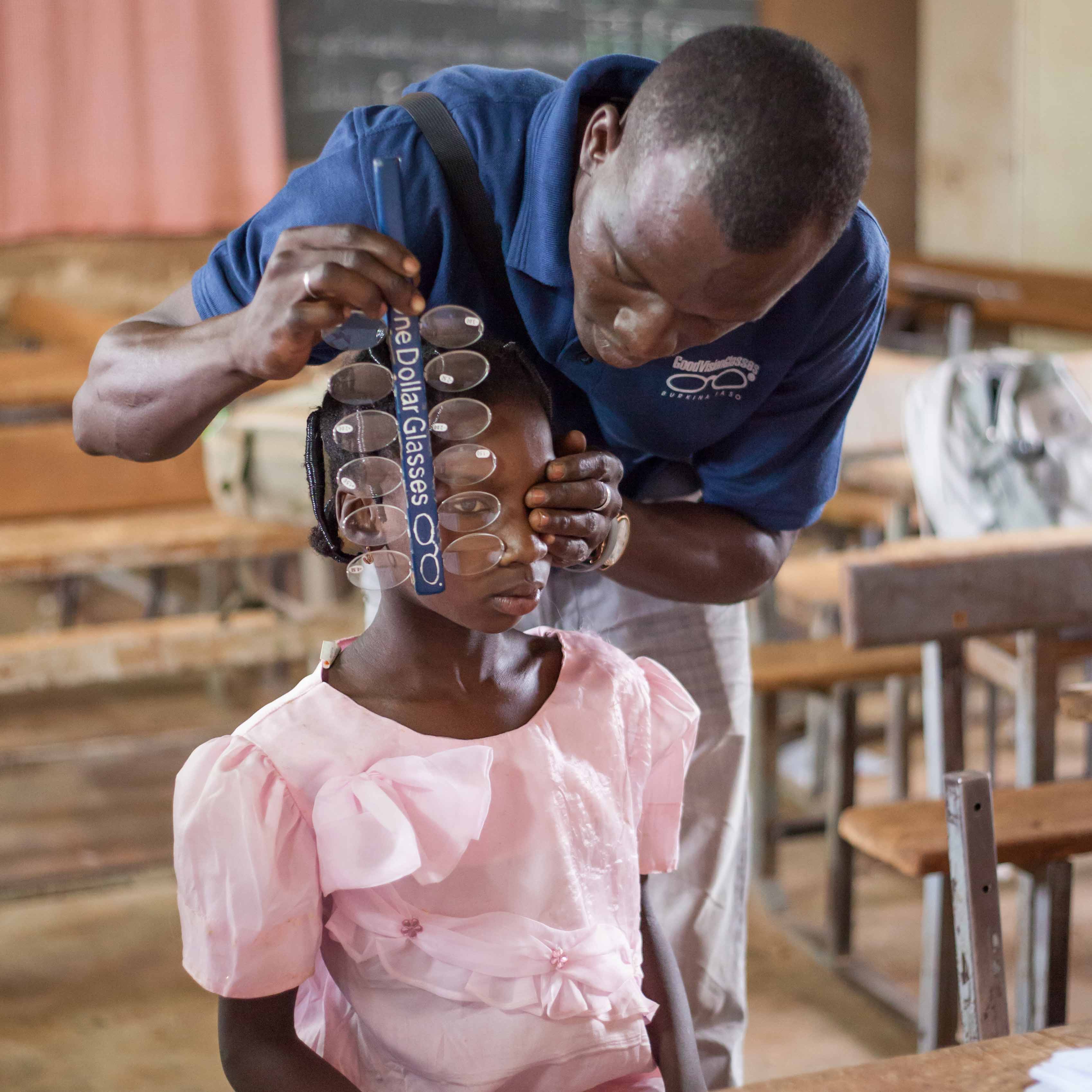
EinDollarBrille e.V. (One Dollar Glasses) is an organization dedicated to providing affordable eyeglasses to people in countries of the global south who need them but cannot afford them. Their solution involves a simple, low-cost method of producing glasses using a bending machine and inexpensive materials, making the glasses available for around one US dollar. This allows people to have access to vision correction, enabling them to work, learn, and participate more fully in life, lifting them and their families out of poverty. They operate in multiple countries in Africa, Asia, and South America, and rely on donations and volunteers to achieve their mission.
Contact: Martin Aufmuth, Chairman of the Board | martin.aufmuth@onedollarglasses.org
MiCT (Media in Cooperation and Transition) is a non-profit enterprise promoting press freedom and independent journalism in conflict zones. Their solution, Pocket FM, is a portable, low-power FM transmitter designed for independent radio broadcasting in areas with restricted media access. Weighing just 3.4 kg, it integrates FM, internet, and satellite connectivity, allowing secure information dissemination even in crisis regions. It runs on multiple power sources, including solar and car batteries, making it highly adaptable. Since 2013, Pocket FM has been deployed in countries like Syria, Iraq, and Yemen, providing uncensored news and strengthening local media networks.
Contact: Klaas Glenewinkel, Managing Director | klaas@mict-international.org
Bountifield addresses food loss in Africa by developing small-scale agro-processing businesses. They provide a portfolio of approved tools, tailored training, and shared financing to local entrepreneurs. Their solutions include manual and motorized shellers, multi-crop grinders, and threshers, increasing the supply of nutritious food and income for farmers.
Contact: Alexandra Spieldoch, CEO | alexandra@bountifield.org
Río de Hielo (River Ice) is a floating mechanical cooling system that uses the energy from slow-flowing rivers to generate cold air and ice in warm, tropical areas. Powered by a Garman Turbine, the system is designed to be easily maintained with readily available parts. It can produce up to 100 kilos of ice in 24 hours, using water from the river. This ice can be used to preserve medicines and food, benefiting fishermen and communities in areas with limited access to electricity. Their main target group and user are fishermen associations.
Contact: Mauricio Gnecco | mjgnecco@gmail.com
SafeCity is a platform where people can anonymously report incidents of sexual and gender-based harassment and abuse. The reports are then aggregated and visualized on a map, creating data-driven insights that can be used by individuals, communities, and policymakers to make spaces safer. It’s a global movement initiated by the Red Dot Foundation with the goal of empowering communities to create safer public and private spaces, particularly for women and girls.
Contact: Supreet K Singh, Partner, Director & CEO | supreet@reddotfoundation.org
The Seawater Greenhouse is a greenhouse structure designed for hot, arid regions that uses seawater and solar energy to grow crops. Instead of a “hot house,” it’s a “cool house.” Seawater is pumped into the greenhouse and used to humidify and cool the air, reducing the need for freshwater by up to 10-fold. Solar heating evaporates the seawater to produce fresh water. The humidified air can also be used to improve growing conditions for outdoor plants. The concentrated saltwater can be further evaporated to produce salt or discharged back to the sea. This addresses issues like drought, desertification, and food shortages. The enterprise is active in Australia, Colombia, Kenya, Saudi Arabia and Somaliland.
Contact: Charlie Paton, Director | charlie@seawatergreenhouse.com
The SHIPO (Southern Highlands Participatory Organisation) Tube Recharge is a low-cost, sustainable technology designed to replenish groundwater near wells, preventing them from drying up, especially in areas with compact soils where rainwater runoff is high. It involves digging a pit with a small injection hole that penetrates the compact soil layer, directing rainwater through a filter and into the ground to saturate the soil and recharge the aquifer. This allows families to avoid wells drying up, extract more water, and increase the volume of water, improving livelihoods and water security.
Contact: Leire Diez Larrea, Manager SHIPO Smart Centre | Leire@shipo-tz.org
he SHIPO (Southern Highlands Participatory Organization) Well Drilling is a low-cost, manual drilling technique developed for areas with shallow water layers and soft ground conditions in Africa. It combines percussion, sludging, and jetting methods to create wells up to 50 meters deep with diameters of 3-6 inches. Key features include coat-effectiveness, local production and portability. The SHIPO drill uses a tripod, pulley, and rope system operated by 2-4 people. The method is suitable for various soil types but cannot drill through bedrock and has been successfully implemented in Tanzania, Malawi, Zambia, and Mozambique.
Contact: Leire Diez Larrea, Manager SHIPO Smart Centre | Leire@shipo-tz.org
The Together Association for Development and Environment (TADE) has developed a Simple Wastewater Treatment Technology for Egyptian villages. This affordable, low-tech water sanitation system aims to address the lack of proper wastewater treatment in rural Egypt, where untreated wastewater often pollutes groundwater and causes health problems. The system consists of a collection network for wastewater, a treatment plant using an aerobic-anoxic activated sludge reactor and a process for treating sludge through composting. This decentralized wastewater treatment approach offers a promising solution for rural Egypt, where only 52% of the population has access to improved sanitation facilities.
Contact: Ramez Tawadros, Executive Director | ramez.tawadros@together-eg.com
Smart Energy Enterprise (SEE) is a company that provides innovative solar-powered irrigation systems to smallholder farmers. These systems are offered on a three-year loan basis, with repayments facilitated through water usage fees, making them accessible and affordable for farmers. By harnessing solar energy, SEE’s irrigation systems reduce reliance on traditional fuel or electricity, lowering operational costs and promoting environmental sustainability. This approach enhances agricultural productivity by ensuring efficient water management, contributing to improved livelihoods for small-scale farmers.
Contact: Gift Mwangairo, Managing Director | gmwangairo@gmail.com
https://seed.uno/enterprise-profiles/smart-energy-enterprise-see
Trinysol manufactures and installs Solar Scheffler Reflectors, enabling enterprises to use solar energy for their processes instead of costly and polluting fossil fuels. These reflectors use a sensor-controlled motor to automatically track the sun, concentrating its light to reach temperatures of around 1,000 degrees Celsius. This energy can be used directly for cooking, heating, or stored as steam. Trinysol’s solution targets small businesses, particularly in rural Mexico, to promote sustainable food production with zero emissions. They have implemented prototype projects, including a solar steam generating plant for tortilla bakeries.
Contact: Gregor Schapers, General Director | gs@trinysol.com
SolarTurtle offers a unique renewable energy solution that combines security, portability, and community empowerment. Their solar panels are mounted on a “book-style” system that folds into a shipping container for protection, making the entire unit easily transportable and quickly deployable in remote locations. The system operates as a micro-franchise, allowing local entrepreneurs, particularly women, to own and operate solar kiosks in their communities. SolarTurtle’s innovative “battery by the bottle” concept uses recycled plastic bottles as portable power packs, enabling customers to build and maintain their own energy sources. The versatility of the container’s interior allows for customization to suit various needs, from charging stations to mobile clinics.
Contact: Lungelwa Tyali, CEO | lungelwa@solarturtle.co.za
SOLshare is a Bangladeshi climate-tech company that enables vulnerable populations to access energy services through an electricity exchange network. SOLshare has developed an innovative peer-to-peer trading platform for solar power based on multiple components. Their development SOLbox is a bidirectional smart electricity meter that connects households to each other. Using the principle of gravity draining (drain-back system) to prevent air trapping and overheating in the solar system, SOLbox greatly simplifies the installation and operation of solar systems by combining operational reliability with plant and component protection, as well as advanced pump and control technology in one compact system.
Contact: Salma Islam, Project Manager | salma.islam@me-solshare.com
TRIEX is a Uruguayan company specializing in the collection, transportation, and treatment of special and hazardous waste, with a focus on circular economy principles. They primarily serve medium to large companies in industries like pharmaceuticals, chemistry, and food, as well as state organizations. TRIEX also handles e-waste processing and develops local technologies for specific waste types. They are committed to environmental and work safety, economic sustainability, and are structured as a self-managed company.
Contact: Ruben Martinez, General Manager | rmartinez@triex.com.uy
AUTARCON is a company specializing in decentralized, energy-independent drinking water treatment and supply solutions. Their flagship product, the SuMeWa|SYSTEM, provides tailored solutions for decentralized drinking water disinfection. The system uses anodic oxidation to produce chlorine from naturally occurring minerals in the source water, ensuring effective disinfection without the need for additional chemicals or membranes. The SuMeWa|SYSTEM comes in several configurations and is designed for both mobile and stationary applications, offering simple installation, ease of use, and continuous operation. They Systems are particularly suitable for regions with limited access to conventional water treatment infrastructure, ensuring reliable access to safe drinking water.
Contact: Philipp Otter, Deputy CEO & Project Coordinator | otter@autarcon.com
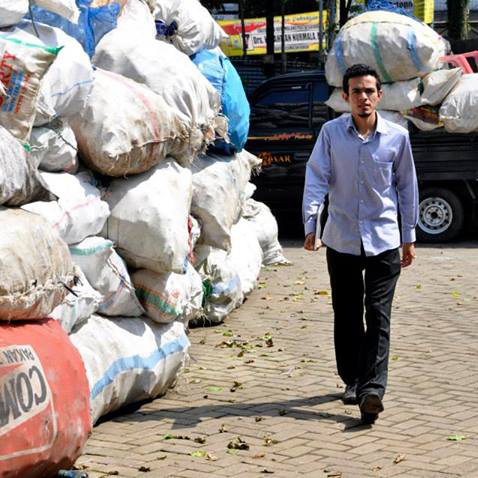
TakaTaka Solutions, founded in 2011, has become Kenya’s largest waste management and recycling company. Their integrated approach encompasses the entire waste management cycle, from collection to recycling and composting. They offer affordable waste collection services to households and businesses across all income areas, then sort the collected waste into 40 different fractions at their recycling points. About 26% of the waste is recyclable and sold to recycling industries, while 69% is organic waste converted into nutrient-rich fertilizer at their composting facilities. TakaTaka also purchases recyclable materials from waste pickers, improving their working conditions and income. This comprehensive model allows them to recycle over 90% of collected waste, significantly reducing landfill use. By generating income from recycling and composting, TakaTaka provides affordable waste management services while creating jobs, especially for women and youth. Their solution addresses both environmental concerns and social impact, contributing to a more sustainable waste management system in Kenya.
Contact: Daniel Paffenholz, CEO | daniel@takatakasolutions.com
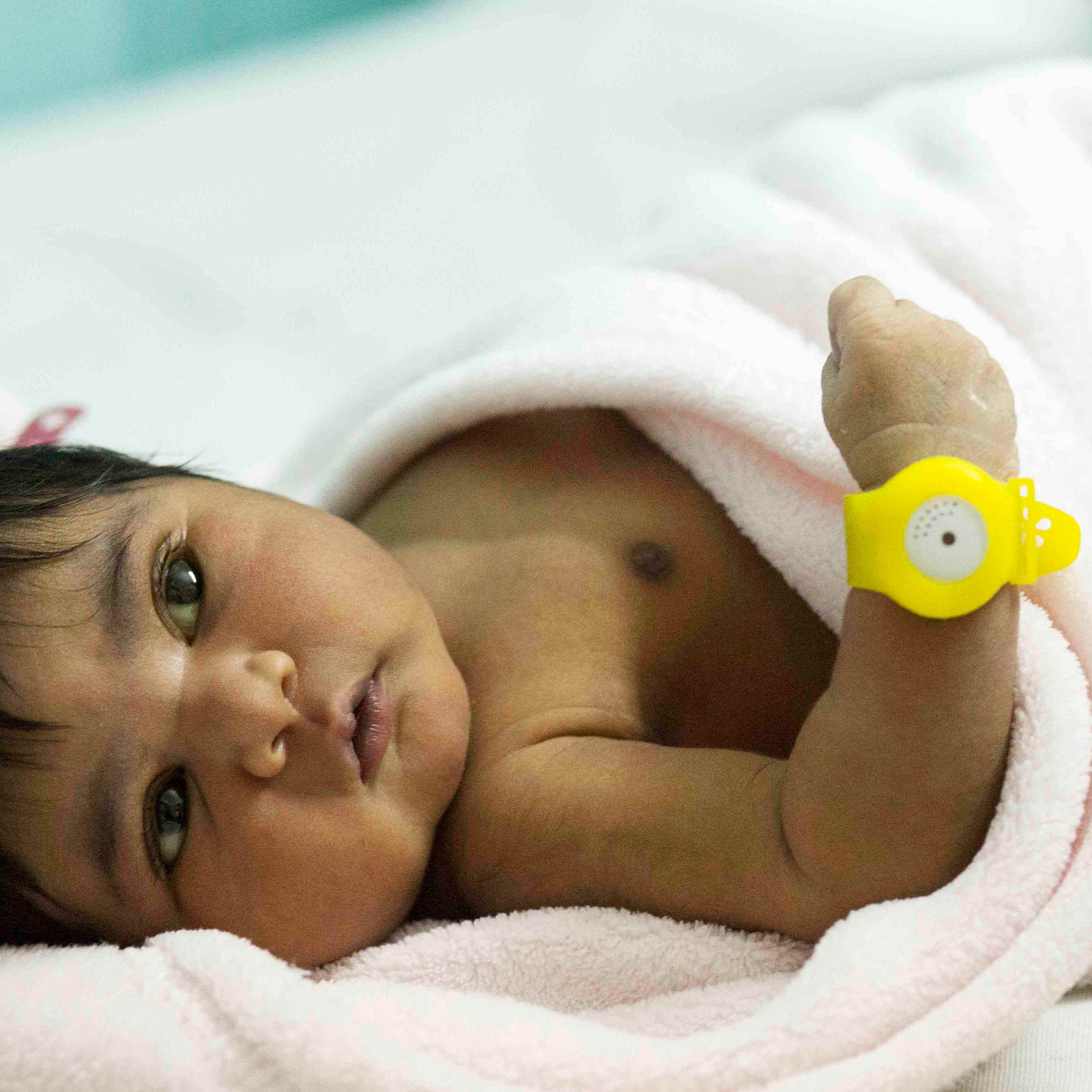
TempWatch is a temperature monitoring bracelet developed by BEMPU Health that continuously monitors a newborn’s temperature for a month, both in the hospital and at home. It’s designed to address hypothermia, a major cause of death and illness in newborns, particularly those with low birth weight in resource-poor areas. If the baby’s temperature drops below 36.5°C, the bracelet alerts the caregiver with an audio-visual alarm, prompting them to provide kangaroo mother care (KMC) to warm the baby. The alarm also signals if the infant is unable to maintain temperature, implying a possible infection. The device is simple to use, comfortable for the baby, and doesn’t require a smartphone, internet, or electricity, making it suitable for low-resource settings.
Contact: Ratul Narain, Founder | ratul@bempu.com
Canales Asociación Civil is an Argentinian non-profit organization dedicated to improving the lives and education of deaf children. Their solution involves creating and providing resources, training, and projects that support bilingual education (Argentinian Sign Language – Spanish) for deaf students. They offer downloadable materials, educational workshops, and advocate for the rights of deaf children, focusing on their right to play, participate in family conversations, enjoy stories in sign language, and be treated as healthy children. Videolibros enSeñas is a free virtual library of children’s books presented in sign language videos with Spanish voice-over. This innovative project aims to make literature accessible to deaf children and promote shared reading experiences between deaf and hearing individuals.
Contact: Silvana Veinberg, Founder & Executive Director | info@canales.org.ar
WAFFCO (Waste-Fuel Free Combustion) is an innovative closed biomass burning stove developed by the Fraunhofer Institute for Building Physics. Designed to replace open-fire stoves, it utilizes agricultural, domestic, and packaging waste as fuel, addressing both energy and waste management issues. The stove’s unique features include a closed combustion chamber made of clay and metal, and a double-curved chimney that improves combustion efficiency and flue gas quality. WAFFCO meets German and European emissions standards, significantly reducing indoor air pollution compared to traditional open fires. Priced at 30-40 USD with a lifespan of up to 10 years, it offers an affordable and sustainable cooking and heating solution for households in developing countries.
Mohammad Aleysa, Head Manager | mohammadshayesh.aleysa@ibp.fraunhofer.de
Wahu! is an enterprise providing fit-for-purpose electric bicycles (e-bikes) designed for hyperlocal deliveries and everyday commuting in Ghana. They target riders engaged in delivery services (gig workers) with a work-to-own scheme and weekly payments, making it easier for them to access financing and onboard delivery platforms. Wahu! couples its e-bike with essential accessories like protective gear, insurance, and maintenance, offering a fair and achievable financial package. Their solution aims to meet the transport needs of the average Ghanaian worker, promote sustainable self-employment, and positively impact the environment.
Contact: Victor Bannerman-Chedid, Chief Commercial Officer | victor@wahu.me
Cova is an organization dedicated to providing access to safe water in Central America, with a mission to build healthier communities through community-centered solutions. They employ innovative approaches and market-based strategies to ensure continuous access to safe drinking water. A key component of their methodology is the “Circuit Rider Model,” which involves regular visits by technicians to rural communities to provide ongoing support and maintenance for water systems. Cova collaborates with various stakeholders, including governments, NGOs, and private sector entities, to implement comprehensive safe water solutions. Their approach ensures that communities not only receive clean water but also gain the knowledge and resources to maintain their water systems long-term, creating a lasting impact on public health and community development.
Contact: Wesley Meier, Co-founder & CEO | wes@covaagua.org
WeTu is a social enterprise dedicated to improving the quality of life in rural Western Kenya by offering sustainable solutions in safe water, clean energy, electric mobility, electronic waste management, and smart agriculture. Their “WeCollect” initiative addresses the growing concern of electronic waste (e-waste) by establishing a collection and recycling value chain in Homa Bay County. This program focuses on reducing, reusing, and recycling e-waste, transforming it into valuable resources. WeCollect operates a pre-processing plant where collected e-waste undergoes functionality tests, repairs, dismantling, and separation of components before being sent to recycling facilities.
Contact: Tilmann Straub, Director | tilmann@wetu.co.ke
WeTu is a social enterprise dedicated to improving the quality of life in rural Western Kenya by offering sustainable solutions in safe water, clean energy, electric mobility, electronic waste management, and smart agriculture. The WeMobility initiative by WeTu focuses on providing environmentally friendly, climate-conscious, and economically sustainable transportation solutions. It aims to create jobs while promoting green mobility options.
Contact: Tilmann Straub, Director | tilmann@wetu.co.ke
Greenfoot Africa, founded in 2019 in Tanzania, is pioneering sustainable urban logistics in Africa with their ZELO e-cargo bike platform. These electric cargo bikes are specifically designed to meet the challenges of last-mile delivery and goods transportation in African urban centers. ZELO e-cargo bikes offer a clean, cost-effective, and efficient alternative to petrol-powered vehicles, with operating costs up to 60% lower and efficiency gains of up to three times when coupled with digital operating tools. As a comprehensive solution, Greenfoot Africa provides not only the e-cargo bikes but also digital operating tools and access to service and maintenance.
Contact: Johnson Jacka, Founder & CEO | johnson@greenfoot.africa
ImpactThe importance of personal support
The empowering people. Network supported more than 80 social enterprises across multiple countries and contributed to the development and dissemination of numerous solutions for basic needs.
In 2017, an external evaluation by Ceval confirmed the effectiveness of the network and its human-centered approach. The evaluation was based on OECD DAC criteria, surveys, case studies, expert interviews, and focus group discussions.
Key findings:
- Long-term, personalized support is a key success factor
- Peer exchange and collaboration opportunities are highly valuable
- In-person formats such as trainings and workshops have strong impact
OutlookWhat comes next
Siemens Stiftung looks back on a successful initiative that strengthened social enterprises worldwide over more than a decade. The results and innovations developed within the network continue to contribute to improving living conditions in developing regions. The partnerships and learnings feed into ongoing programs of the foundation and its partners, with the goal of advancing sustainable development globally.
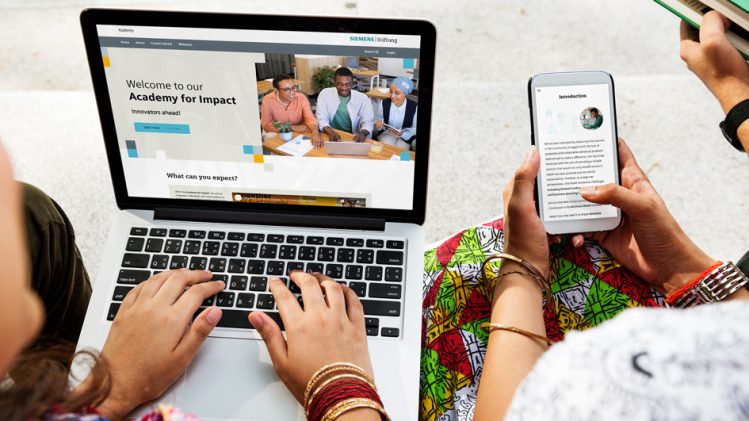
Get to know our Academy for Impact
The Academy for Impact supports social entrepreneurs and changemakers worldwide in building and scaling impact-driven business models through free, practice-oriented online courses.
Contact
Head of Community Learning & Development
Christine Janezic
christine.janezic@siemens-stiftung.org
Project Lead Academy for Impact
Sabine Baumeister
sabine.baumeister@siemens-stiftung.org


